




In the evolving landscape of Tanzanian entrepreneurship, mentorship in startups plays a transformative role. As startups emerge and innovate, the guidance of experienced mentors is vital for navigating challenges and seizing opportunities. This article delves into the significance of mentorship and how it serves as a catalyst for growth and success in Tanzania's startup ecosystem.
Opening Inquiry: Why is Mentorship Crucial for Startups?

To define the pivotal role of mentorship, consider this: How can a nascent entrepreneur effectively steer their startup amidst fierce competition and dynamic market demands? This inquiry highlights the essence of mentorship. For startups, mentors can illuminate pathways that founders might overlook, offer valuable industry insights, and build networks essential for expansion. In Tanzania, where the startup scene is blossoming, mentorship becomes even more crucial in fostering an environment ripe for innovation and growth.
Understanding Mentorship in Startups
Defining Mentorship in the Startup Ecosystem
At its core, mentorship in startups refers to a relationship where experienced entrepreneurs, or mentors, provide guidance, advice, and support to inexperienced founders or mentees. In the Tanzanian context, mentorship is not just about sharing knowledge; it involves a holistic approach that encompasses emotional, psychological, and professional development for startup founders. Through such relationships, mentors empower entrepreneurs to capitalize on their strengths while addressing weaknesses.
Types of Mentorship Available for Startups
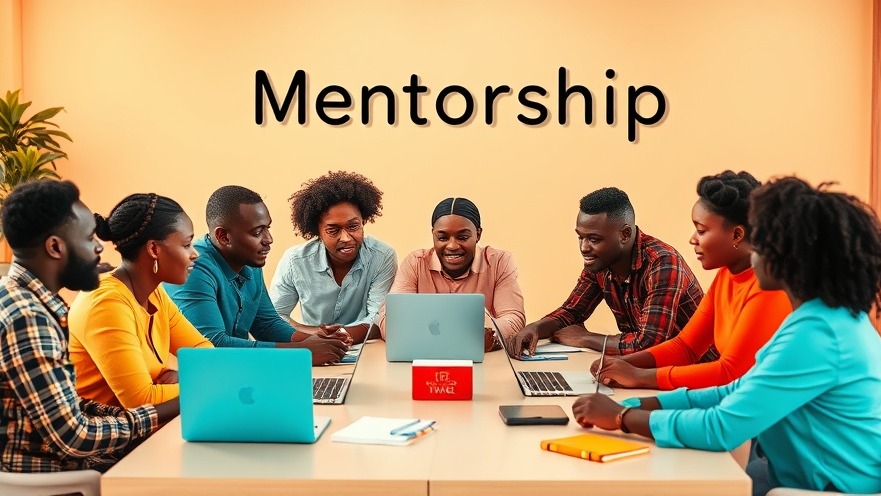
In the Tanzanian startup landscape, various types of mentorship can be identified. These include:
Formal Mentorship: Structured programs providing set guidelines on mentor-mentee interactions.
Peer Mentorship: Collaboration between founders at similar stages sharing insights and experiences.
Strategic Mentorship: Focused on specific business challenges, such as funding or market entry strategies.
Each type provides unique benefits, allowing startups to choose mentors that align well with their specific needs and aspirations.
The Impact of Mentorship on Startup Success
Benefits of Having a Startup Mentor
Engaging a mentor offers numerous advantages that are particularly impactful in the Tanzanian startup ecosystem. First, mentors provide invaluable insights into industry best practices, helping founders avoid common pitfalls. Their seasoned perspectives can assist in refining business models, understanding customer needs, and establishing effective marketing strategies. Additionally, having a mentor can substantially increase a founder's confidence, leading to better decision-making and problem-solving abilities.
How Mentorship Drives Growth and Innovation

Beyond personal growth, mentorship in startups is a significant driver of innovation. Mentors often encourage founders to step outside their comfort zones, fostering a culture of experimentation and creativity. In the Tanzanian context, this stimulation leads to the development of products and services that meet local needs. Additionally, mentors help startups connect with potential investors and partners, further propelling growth and scalability. For a broader perspective on the African startup ecosystem, consider exploring the emerging startup ecosystems beyond Lagos and Nairobi.
Expert Insights on Mentorship
"William, a startup founder, states, 'Networking to startup ecosystem in Tanzania has been invaluable for our growth.'"
What Founders Say About Their Mentorship Experiences
Countless Tanzanian founders affirm the profound impact of mentorship on their journey. Personal anecdotes illustrate how mentorship has provided them not only support but also a broader perspective on market trends and opportunities. These experiences advocate for the importance of building connections within the entrepreneurship community. Initiatives like the UNDP's Timbuktoo Initiative are also pivotal in transforming the African startup ecosystem.
Finding the Right Mentor for Your Startup
Key Qualities to Look for in a Mentor
When seeking a mentor, startups should consider several key qualities. An effective mentor should possess substantial industry experience and success, align with the startup's vision and values, and exhibit an approachable demeanor. Communication skills are vital; mentors must be able to convey ideas clearly and constructively.
How to Approach Potential Mentors

Approaching a potential mentor requires tact and confidence. Founders are advised to prepare by outlining their goals and what they hope to achieve from the mentoring relationship. Networking events, online platforms, and startup hubs in Tanzania are excellent venues to meet potential mentors. An invitation to coffee or an initial online meeting can pave the way for a fruitful relationship.
Networking Opportunities Through Mentorship
Building a Professional Network with Mentors
Mentors play an instrumental role in expanding professional networks for startups. Through established connections, they can introduce founders to industry experts, investors, and partners. This networking is crucial, as strong relationships often lead to collaborations that can accelerate business growth.
Participating in Industry Events and Workshops

Participation in workshops and industry events organized by mentorship programs provides practical exposure for startups. These gatherings foster networking opportunities and are a way to learn from seasoned professionals through shared experiences. Such engagement enriches the startup ecosystem, cultivating an environment of shared learning and growth. Events like the MarkHack 4.0 Marketing Technology Event in Lagos are excellent examples of such opportunities.
Common Challenges in Startup Mentorship
Overcoming Misconceptions About Mentorship
Despite its benefits, several misconceptions surround mentorship in startups. Some founders may think mentorship equates to a strict hierarchical relationship where mentors dictate terms. In reality, mentorship should be a collaborative partnership that benefits both parties. Educating founders on this dynamic is essential in fostering effective mentoring relationships.
Addressing the Emotional Support Needs of Founders

Alongside professional guidance, emotional support is a critical yet often overlooked aspect of mentorship. Startups face emotional roller coasters, from the thrill of potential success to the stress of challenges. Mentors can offer emotional support, helping founders navigate these turbulent periods while reminding them of their capabilities and vision.
Key Takeaways on Mentorship in Startups
Summarizing the Importance of Mentorship
In summary, mentorship is a cornerstone of entrepreneurial success in Tanzania's startup ecosystem. By leveraging the expertise and networks of experienced mentors, founders can significantly enhance their chances of success. This invaluable support leads not only to business growth but also nurtures a culture of innovation.
Encouraging Founders to Seek Mentorship

For aspiring entrepreneurs in Tanzania, seeking mentorship should be an integral part of their journey. Engaging with mentors will not only provide external support but also foster a sense of community among founders. Utilizing platforms such as Founders Tanzania can connect startups with mentors, catalysts for dreams to become reality.
Frequently Asked Questions about Mentorship
What is the role of mentorship in startups?
The role of mentorship in startups is to provide guidance, emotional support, and professional networking that help entrepreneurs navigate challenges and seize opportunities.
What are the 3 C's of mentoring?
The 3 C's of mentoring are: Communication, Collaboration, and Commitment, which are key components in fostering effective mentoring relationships.
What are the 4 C's of mentorship?
The 4 C's of mentorship include: Clarity, Compatibility, Connection, and Continuity, essential for a productive and ongoing mentoring experience.
How to get mentorship for a startup?
To get mentorship for a startup, founders should attend networking events, utilize online platforms, and actively seek out mentors within their industry.

Conclusion: Join Founders Tanzania for Mentorship Opportunities
As evidenced, mentorship significantly shapes the startup landscape in Tanzania. By fostering a supportive community, mentoring not only facilitates the growth of individual founders but also contributes to a vibrant startup ecosystem.
"Eliamini, a startup founder, shares, 'The group has helped us meet ICT experts who are now leading us to the digitalization of our business.'"
Call to Action: Discover Founders Tanzania
Join Our Community of Innovators and Entrepreneurs
Are you a startup founder eager to elevate your business? Join Founders Tanzania today and connect with a network of mentors and entrepreneurs. Take the first step toward transforming your entrepreneurial journey by becoming a part of a community that supports innovation and growth!


Write A Comment