
Add Row
Add Element
  • update
  • update
  • update
  • update
  • update
  • update
  • update
Add Element
cropper
update

EAST AFRICA FRONTLINE MEDIA DIGITAL CHANNELS
An Entrepreneurs Anthology Of Founders Expetise, Wisdom And Success Journeys

cropper
update
Add Element
  • Channel
    • Proverbs & Proverbial Wisdom
    • Legacy Chronicles
    • *#Editor - momentous missions architechts
    • Shining The Torch
    • *EDITORS VIRTUAL VOICE
  • Features
    • Spotlight Achievers
    • Visionaries In Action
    • Innovators’ Insights
    • Profiles of Success
    • Future Builders
    • Diaspora Voices
    • Leading Conversations
    • Cultural Custodians
    • Sustainability Spotlight
    • Charity Champions
    • Fintech Trailblazers
    • Policy Pioneers
    • Africa Frontline News
    • Literary Luminaries
    • Legal Giants
    • Sky Navigators
    • Green Guardians
    • Medical Practitioners
    • Journey Crafters
    • Lights Camera Planners
    • Harmony Horizons
    • Frontline Chronicles
    • Influence Ignitors
    • Footprints In Faith
    • Global Pulse
    • Americas Pulse
    • #FEATURE IMAGE-ARTICLE
    • #EXCHANGE ARTICLES
    • #FEAUTERD EXPERT SPOTLIGHT
    • Wisdom Weavers
    • Luxe Living Creatives
    • #DISCOVER TENEX NOW
    • Body Mind And Soul
    • #FOUNDERS NETWORKS
  • $FUTURE EVENTS BILLBOARD
  • $ADVERTS BILLBOARD
Add Element
April 02.2025
1 Minute Read

The Role of FEDA in Africa's Economic Transformation

The Role of FEDA in Africa's Economic Transformation

How can a singular fund catalyze a continent's economic evolution? This is the question at the heart of our exploration into the Fund for Export Development in Africa (FEDA). FEDA is not just any financial entity; it is a pivotal force aimed at transforming Africa’s economic landscape through strategic investments and initiatives that foster growth across various sectors.

Overview of FEDA and Its Mission

What is FEDA?

The Fund for Export Development in Africa, known as FEDA, operates under the auspices of the African Export-Import Bank (Afreximbank). It stands as a dedicated impact investment platform, established with the aim to address the significant funding gaps in Africa's trade sector, particularly in equity financing. FEDA is focused on supporting industrialization and promoting intra-African trade through value-added export development.

FEDA's Objectives and Strategies

FEDA's core objectives revolve around providing the necessary equity and quasi-equity capital to businesses engaged in manufacturing and export development across Africa. The fund adopts a multi-sector investment strategy that encompasses financial services, technology, agribusiness, and logistics. By fostering collaboration between member states and cultivating local enterprises, FEDA aims to boost intra-African trade significantly. For more insights on how logistics are transforming trade, explore The Future of AfCFTA: Transforming African Logistics and Trade.

The Significance of Uganda's Accession to FEDA

Economic Implications for Uganda

Uganda's recent signing of the Establishment Agreement with FEDA highlights a monumental step in the country’s economic development journey. With this accession, Uganda joins 20 other member states, which positions the country to benefit from increased foreign investment aimed at industrialization and enhancing its export capabilities. The implications are profound, as investment can spur growth in critical sectors such as manufacturing, generating jobs and enhancing competitiveness. For a broader perspective on trade growth, consider the recent developments at AD Ports Group Launches Luanda Operations for Trade Growth.

Expert Insights on Uganda's Membership

During the signing ceremony, Marlene Ngoyi, CEO of FEDA, stated, "Uganda’s decision to join FEDA is a testament to the country’s confidence in FEDA’s mission to accelerate Africa’s economic transformation." This situates Uganda prominently within the ongoing narrative of economic revitalization across Africa, underscoring the importance of collaborations that prioritize investment over aid.

FEDA's Impact on Africa's Economic Landscape

Investment Trends and Financing Approvals

In the past four years, FEDA has demonstrated its robust ability to attract investments, with over $813 million in approvals for Uganda alone. This heightened interest represents a broader trend where member countries are increasingly recognizing the value of collaborative economic strategies. FEDA's strategic investments are targeted in sectors poised for growth, providing a significant boost to Africa's economic landscape.

Case Studies of Successful Investments

Numerous case studies have emerged illustrating FEDA’s impact. These success stories highlight businesses that, with FEDA's support, have expanded operations, created jobs, and contributed to the local economy. Such examples underscore the effectiveness of targeted investment strategies aimed at catalyzing development in specific areas across the continent. For a related success story, see Dangote's Oil Refinery and African Trade Impact.

Challenges and Opportunities in Economic Transformation

Barriers to Industrialization in Africa

Despite the significant strides made, various barriers to industrialization remain. Issues such as inadequate infrastructure, deep-rooted regulatory challenges, and limited access to financing can impede the potential that organizations like FEDA aim to unlock. Overcoming these obstacles is critical for realizing the continent's economic potential.

Opportunities for Growth and Development

On a more optimistic note, the avenues for growth are substantial. The rising trend of entrepreneurship across Africa presents a unique opportunity for FEDA to channel investments into innovative sectors. By fostering a culture of collaboration and supporting local ventures, FEDA can help to create an ecosystem that nurtures sustainable development and economic resilience.

Expert Quotes and Perspectives

Marlene Ngoyi on FEDA's Vision

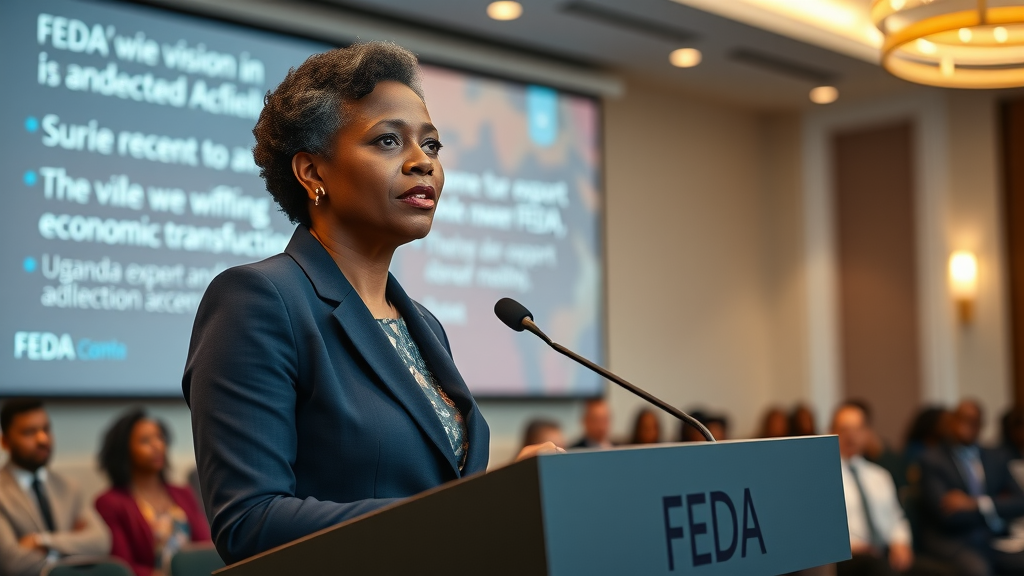
Marlene Ngoyi asserts that "FEDA is instrumental in shaping a sustainable future for African economies," emphasizing the role of strategic investment in driving economic transformation.

Ambassador Philip Rukikaire on Economic Development

Echoing this sentiment, Ambassador Philip Rukikaire stated, "Africa needs more trade than aid, and FEDA will provide the investment to propel our sectors forward," highlighting the necessity for innovative funding solutions that prioritize trade-driven growth.
Key Takeaways from FEDA's Initiatives

Summary of FEDA's Contributions

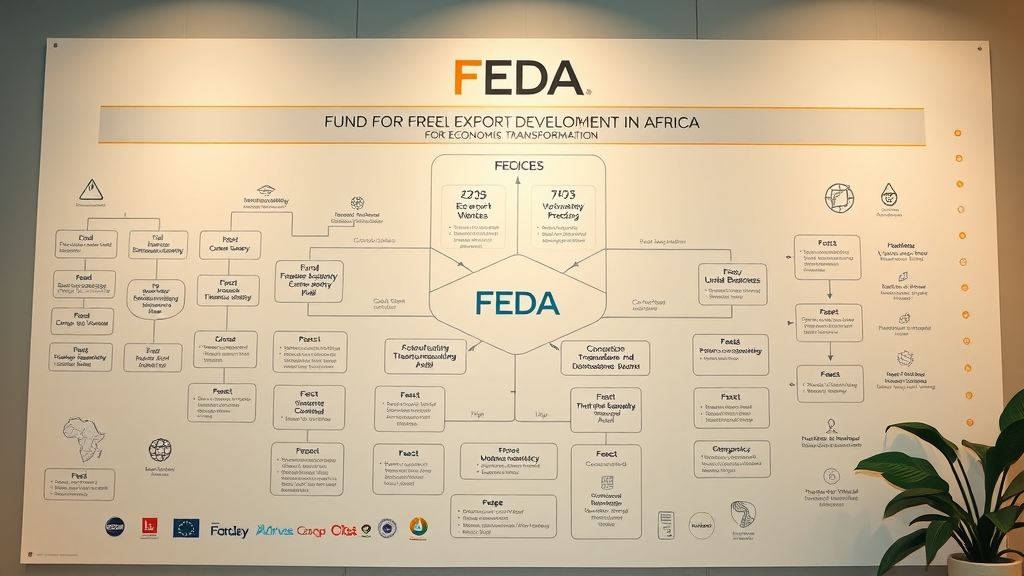
FEDA’s initiatives embody a proactive approach to fostering economic transformation in Africa. By emphasizing intra-African trade, FEDA not only supports individual member states but also contributes to a larger economic framework that promotes partnership and investment across the continent.
Future Directions for FEDA and Africa

Looking ahead, FEDA's commitment to expanding its reach and influence in Africa's economic landscape continues to grow. Strategies focusing on sustainable investment in emerging sectors will likely be central to achieving long-term economic stability and development region-wide.

FAQs about FEDA and Economic Transformation

What is the economic transformation theory?

The economic transformation theory posits that developing countries can achieve economic growth by transitioning from traditional agrarian economies to ones characterized by industrial production and increased productivity.

What are examples of economic transformation?

Examples of economic transformation include countries shifting focus from agriculture to manufacturing, thus creating export-oriented sectors that attract foreign investments, similar to what FEDA advocates.

What is the full form of FEDA?

The full form of FEDA is the Fund for Export Development in Africa, designed to provide financial support for investment in various critical sectors across member states.
Conclusion: The Path Forward for FEDA and Africa

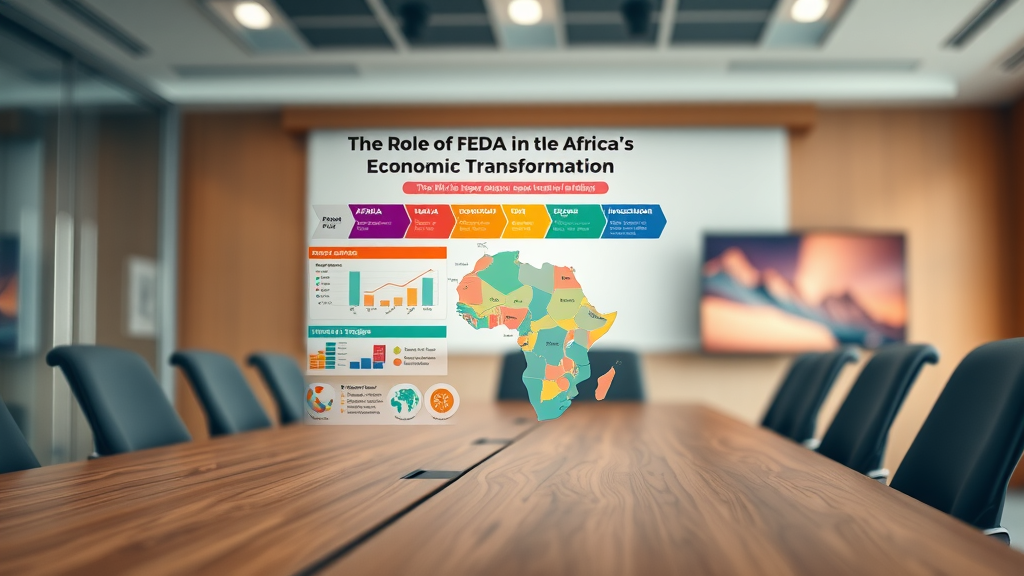
FEDA stands at a crucial juncture in Africa's economic transformation. As more countries recognize the benefits of joining this initiative, the potential for unlocking sustainable development and economic empowerment expands. Collaborative efforts through FEDA will play a pivotal role in ensuring that Africa not only catches up with global economic trends but also leads in innovation and trade.

Call to Action: Join the Movement for Economic Transformation

Be a part of the change—support initiatives like FEDA that are driving economic transformation in Africa. Whether you're an investor, entrepreneur, or policy-maker, your contributions can make a significant impact on the continent's growth story.

Your browser does not support the video tag.
Fintech Trailblazers

29 Views

0 Comments

Write A Comment

*
*
Please complete the captcha to submit your comment.
Related Posts All Posts
03.31.2026

Exploring the Benefits of Using a Payroll Firm for Your Business

Discover the advantages of outsourcing payroll to a firm, enhancing compliance, efficiency, and data security.

04.07.2025

What is FEDA and How Does It Impact Africa's Economy?

What is FEDA and How Does It Impact Africa's Economy? Have you ever wondered how African countries can reshape their economies independently and sustainably? The FEDA impact on Africa is a fascinating topic that delves into the transformation of economic dynamics across the continent. With countries like Uganda joining FEDA, the potential for accelerated growth and self-sufficiency is becoming a reality. Understanding FEDA: An Overview The Fund for Export Development in Africa (FEDA) is a pivotal initiative set up by the African Export-Import Bank (Afreximbank) to facilitate impactful investments across the continent. Its mission is centered on enhancing inter-African trade and fostering industrialization through various sectors including the manufacturing and value-added export industries. FEDA functions as a development impact investment platform, focusing on empowering enterprises by providing necessary equity, quasi-equity, and debt capital. The key objective remains the same: bridge the funding gap that persists within Africa’s trade sector. The Significance of Uganda's Membership in FEDA FEDA's Role in Economic Transformation Uganda's recent accession to FEDA marks a significant milestone in the country's economic development journey. The government’s decision underscores a commitment to strategic partnerships aimed at not only boosting local production but also enhancing export capabilities. This change is vital, as highlighted by Marlene Ngoyi, CEO of FEDA, who stated: “Uganda’s decision to join FEDA is a testament to the country’s confidence in FEDA’s mission and to its commitment to accelerating Africa’s economic transformation.” Expert Insights on FEDA's Impact As more African nations recognize the potential of intra-African trade, the narrative shifts towards self-reliance and economic growth. Uganda’s integration into FEDA signifies satisfaction with increased investment flows to the region, which promises improved infrastructure and economic resilience. For a deeper understanding of how trade agreements like the African Continental Free Trade Area (AfCFTA) are transforming logistics and trade, you can explore this article on AfCFTA's impact. FEDA's Investment Strategy and Focus Areas The investment strategy employed by FEDA spans multiple sectors with a primary focus on aligning development with the continent's economic needs. This includes technology, transportation, and agribusiness, among others. By prioritizing key areas for investment, FEDA aims to bolster economic output and create sustainable employment opportunities across Africa. Key Sectors for Investment FEDA emphasizes critical sectors such as healthcare, education, and infrastructure development. For example, investing in technology can fuel other sectors by ensuring they have the necessary digital tools to thrive in the global marketplace. Long-term Capital for African Economies Providing long-term capital is crucial for fostering an environment conducive to industrial growth. FEDA is positioned to offer significant investment support, which ultimately drives economic stability and encourages local entrepreneurship. The impact of strategic investments in sectors like oil refining can be seen in initiatives such as Dangote's Oil Refinery, which is a game-changer for African trade and commerce. The Broader Economic Context: Trade vs. Aid The Need for Intra-African Trade The dialogue surrounding FEDA's impact on Africa’s economy cannot exclude the necessity of robust intra-African trade frameworks. Trade is increasingly recognized as a far more sustainable solution than foreign aid. Developing pathways for African goods to move freely across borders will leverage each nation’s strengths, leading to collective prosperity. FEDA's Contribution to Sustainable Development The contributions of FEDA extend significantly towards sustainable economic practices. Ambassador Philip Rukikaire noted the importance of these developments by stating: “By joining FEDA, we reaffirm our dedication to a prosperous Africa, driven by industrialization and intra-African trade.” Challenges and Opportunities Ahead Potential Barriers to FEDA's Success While the vision for FEDA is optimistic, several barriers loom ahead. These include regulatory challenges, political instability, and the lack of infrastructure in many regions that could hinder investment flows. Addressing these issues will be critical as countries like Uganda start to reap the benefits of FEDA's framework. Opportunities for Growth and Development Despite the challenges, the opportunities that arise from FEDA’s mission cannot be underestimated. The focus on local solutions encourages innovation and entrepreneurship, fostering a culture of self-reliance among African youths. What You'll Learn About FEDA's Impact Understanding FEDA's mission and objectives The significance of Uganda's accession Key sectors targeted for investment The role of intra-African trade in economic growth Frequently Asked Questions (FAQs) What could the impact of CFTA be on Africa? The African Continental Free Trade Area (CFTA) is designed to increase intra-African trade, which could significantly elevate Africa's economic standing on the global stage. What impact did the Bantu have on Africa? The Bantu migrations substantially influenced the cultural and linguistic landscape of Africa, aiding in the spread of agricultural practices and ironworking. What impact did the conference have on Africa? Conferences focused on economic development have historically provided platforms for collaboration, leading to policy reforms and increased investments. What was slavery's impact on Africa? The transatlantic slave trade had profound social and economic impacts on African societies, destabilizing communities and disrupting traditional structures. Key Takeaways FEDA impact on Africa is a vital consideration for the continent’s future. Understanding the developments within FEDA can paint a clearer picture of Africa's pathway toward economic self-sufficiency. Conclusion: The Future of FEDA and Africa's Economy FEDA holds the promise of a new economic era for Africa, where trade thrives, and nations position themselves as key players on the global stage. As we look forward, continued engagement and commitment from member nations will be crucial for success. Call to Action: Engage with FEDA's Mission It's time to support and engage with initiatives like FEDA that seek to revolutionize Africa's economic framework. By advocating for stronger intra-African trade, we contribute to a brighter future for the continent.

04.07.2025

FEDA: Pioneering Development Impact Investment in Africa

FEDA: Pioneering Development Impact Investment in Africa Have you ever wondered how Africa can transform its economy through innovative investment strategies? The development impact investment Africa landscape is shaping rapidly, and at the forefront is the Fund for Export Development in Africa (FEDA). This article delves into FEDA's mission and its significant role in bolstering Africa’s trade and manufacturing sectors. Introduction to Development Impact Investment in Africa Development impact investment refers to investments made with the intention of generating measurable social and environmental impact alongside a financial return. In Africa, the need for such investments is increasingly pressing given the continent's unique challenges, including poverty, infrastructure deficits, and capital shortages. Countries like Uganda are recognizing the potential of this investment model to drive sustainable growth and create jobs, leading to the decision to join influential platforms like FEDA. The Significance of Uganda's Accession to FEDA “Uganda’s decision to join FEDA is a testament to the country’s confidence in FEDA’s mission and to its commitment to accelerating Africa’s economic transformation,” says Marlene Ngoyi, CEO of FEDA. Uganda’s recent accession to FEDA marks a pivotal moment in its economic landscape. This move connects Uganda to an extensive network of developmental resources and expertise geared towards enhancing the nation's industrialization efforts. As highlighted by FEDA CEO Marlene Ngoyi, this membership signifies Uganda's commitment to fostering a stronger economic framework focused on increased export development and sustainable growth. FEDA's Role in Africa's Economic Transformation Understanding FEDA's Mandate and Objectives FEDA operates on a mandate to catalyze transformation within the African trade sector by providing crucial financial resources. Its main objectives include delivering both equity and quasi-equity capital aimed at enterprises engaged in intra-African trade and export development. The focus is on industrialization, enhancing domestic production capabilities, and creating jobs which significantly contribute to economic growth across member states. Investment Strategies and Sector Focus FEDA's investment strategy is multi-faceted, targeting sectors that can leverage intra-African trade for economic advancement. Key areas include manufacturing, agribusiness, and technology, which are vital in addressing the continent's developmental challenges. Furthermore, FEDA emphasizes the importance of structural investments that bolster supply chains and develop essential infrastructure necessary for trade facilitation. For instance, initiatives like Madica’s $800K investment in African startups highlight the growing trend of supporting innovation and entrepreneurship across the continent. Expert Insights on Development Impact Investment “By joining FEDA, we reaffirm our dedication to a prosperous Africa, driven by industrialization and intra-African trade,” states Ambassador Philip Rukikaire. Insights from experts shed light on the long-term vision for the African economy. As articulated by Ambassador Philip Rukikaire, the emphasis on intra-African trade as a driving force for prosperity is pivotal. His statement illustrates that collaboration through initiatives like FEDA is key in transitioning from aid dependency to a self-sustaining economic framework. The collective effort to encourage local production and trade will not only bolster economic independence but also strengthen regional partnerships. Challenges and Opportunities in Development Impact Investment Current Landscape of Investment in Africa The investment climate in Africa is marked by potential and challenges. While growing interest from international investors is notable, shortcomings in existing infrastructure and governance systems often impede faster progress. Addressing these challenges requires concerted efforts from governments, institutions, and private sector players to create a conducive environment for investments to flourish. Potential for Growth in Manufacturing and Exports One of the most promising aspects of development impact investment Africa is the potential for significant growth in the manufacturing and export sectors. The need for greater value addition to local products can position African countries as competitive players in global markets. FEDA’s investments can help unlock this potential by providing the necessary capital and strategic direction. Key Takeaways from FEDA's Initiatives Long-term Capital Mobilization for Sustainable Development FEDA’s commitment to mobilizing long-term capital is essential for sustainable development in Africa. By investing in green technologies and innovations, FEDA seeks to play a crucial role in transitioning the continent to a sustainable economic model that not only enhances productivity but also preserves the environment for future generations. The Importance of Intra-African Trade The critical nature of intra-African trade as a linchpin for economic integration cannot be overstated. As FEDA facilitates investments that connect neighboring countries’ markets, it aids in reducing trade barriers and fostering cooperative economic initiatives. This dynamic ultimately promotes a more interconnected African economy, contributing to collective growth and stability. Conclusion: The Future of Development Impact Investment in Africa The future of development impact investment Africa holds immense promise, shaped not just by the contributions of organizations like FEDA but also by the willingness of African nations to embrace progressive strategies for economic growth. With dedicated stakeholders and robust investment frameworks in place, Africa is well on its way toward achieving sustainable transformation that benefits its populace. FAQs about Development Impact Investment in Africa What is development impact investment? Development impact investment entails investments aimed at generating positive social and environmental impacts alongside financial profits. These investments focus on sectors that directly improve the economic conditions of communities while building sustainable enterprises. How does FEDA contribute to Africa's economic growth? FEDA contributes to Africa's economic growth by providing vital capital to enterprises involved in intra-African trade and manufacturing, which are crucial for enhancing productivity and creating jobs across the continent. What sectors are prioritized by FEDA for investment? FEDA prioritizes sectors such as manufacturing, agribusiness, technology, and trade enabling infrastructure, all vital for developing intra-African trade and value-added exports. Call to Action: Engage with FEDA's Mission Engagement with FEDA's mission represents not only an opportunity for investment but also a crucial step towards shaping a sustainable economic future for Africa. We encourage interested stakeholders to join in this transformative initiative and contribute to a prosperous future for the continent.

Terms of Service

Privacy Policy

Core Modal Title

Sorry, no results found

You Might Find These Articles Interesting

T
Please Check Your Email
We Will Be Following Up Shortly
*
*
*